Delta, Northwest merger decision to create world's largest airline
15 April 2008
 Late Monday, Delta Air Lines (DL) and Northwest Airlines (NWA) announced a merger agreement that will create the world's largest airline with aggregate annual revenues in excess of $35 billion. When it comes into existence the merged entity will have a fleet of more than 800 aircraft and 75,000 employees on its payrolls.
In the proposed deal, DL would acquire NWA through a stock-swap transaction with NWA shareholders receiving 1.25 shares in the new carrier for each current NWA share. This marks a 16.8 per cent premium based on current prices.
The new entity will have an enterprise value of $17.7 billion.
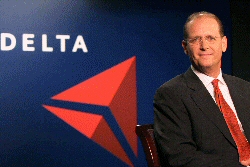 The new airline, will retain the Delta name and be based in Atlanta. Delta CEO, Richard Anderson, would be CEO of the combined entity.
"The transaction is expected to generate more than $1 billion in annual revenue and cost synergies from more effective aircraft utilization, a more comprehensive and diversified route system and cost synergies from reduced overhead and improved operational efficiency," the airlines said in a statement. "The company expects to incur one-time cash costs to not exceed $1 billion to integrate the two airlines."
The merger must be approved by both companies' shareholders and gain required regulatory approvals, including antitrust clearance from the US Dept. of Justice. "It is expected that the regulatory review period will be completed later this year," the carriers said.
