Budget Speech
28 Feb 2007
Budget 2007-2008
Speech of
P. Chidambaram
Minister of Finance
February 28, 2007
Mr. Speaker, Sir
It is my privilege to present the Budget for 2007-08.
I. A MID-TERM REPORT CARD ON THE ECONOMY
2. In November 2006, the UPA Government crossed the midpoint of its term of office. A midterm report card can now be presented. There are many pluses and a few minuses, and I shall deal with both candidly. The biggest plus is that the growth rate of GDP has improved from 7.5 per cent in 2004-05 to 9 per cent (Quick Estimate) in 2005-06 and, according to Advance Estimate, to 9.2 per cent in 2006-07. The average growth rate in the three years of the UPA Government is, therefore, 8.6 per cent. Thanks to this impressive performance, despite the poor start in 2002-03, the growth target set for the Tenth Plan of 8 per cent will be nearly achieved.
3. Manufacturing is the main driver of growth, and this augurs well for the future. In the three years of the UPA Government, the growth rate in manufacturing has accelerated from 8.7 per cent to 9.1 per cent and further to 11.3 per cent. The services sector continues to maintain impressive growth and has recorded, in the three years, a growth rate of 9.6 per cent, 9.8 per cent and 11.2 per cent respectively.
4. On the other hand, the agriculture sector has witnessed sharp ups and downs. Average growth during the Tenth Plan period is estimated at 2.3 per cent, which is below the desired level of 4 per cent a year. About 115 million families are classified as farming families. Furthermore, a country with a large population has to be nearly self-sufficient in essential food items; otherwise supply constraints could upset macro economic stability and growth prospects. Hence, agriculture must top the agenda of the policy makers and must hold the first charge on our resources. In a short while, I shall place before this House a number of proposals in this regard.
Income and Savings
5. To continue with the report card, per capita income in 2005-06, in real terms, increased by 7.4 per cent, and the savings rate has been estimated at 32.4 per cent and the investment rate at 33.8 per cent. Intuitively, I believe that these high rates have continued in the current year too.
6. The UPA Government has remained committed to economic reforms, fiscal prudence and monetary stability.
7. Revenues are buoyant for the third year in succession. We have garnered additional revenues and, as Honourable Members will notice presently, I have put these revenues to good use to promote inclusive growth, equity and social justice - goals that are at the core of the National Common Minimum Programme (NCMP) and close to the hearts of the UPA, its Chairperson and the Prime Minister.
Outlook on Inflation
8. Until February 2, 2007, bank credit, year on year, had grown by 29.6 per cent. Money supply (M3) had expanded by 21.3 per cent. Foreign exchange reserves stood at US$ 180 billion. While these are concomitant features of high growth, it cannot be denied that these monetary trends have put pressure on prices. Global commodity prices have also exerted pressure on domestic prices. At the same time, supply constraints have emerged in some essential commodities such as wheat, pulses and edible oils. Consequently, average inflation in 2006-07 is estimated at between 5.2 and 5.4 per cent, which is higher than 4.4 per cent last year. I wish to reiterate Government''s concern over inflation. Government has already taken a number of measures on the fiscal, monetary and supply sides to maintain price stability and, if required, will not hesitate to take more measures. When the UPA Government assumed office in 2004, the inflation graph was on the rise; but we succeeded in moderating inflation and we are confident that we can moderate the present inflationary trend too.
II. BHARAT NIRMAN AND THE FLAGSHIP PROGRAMMES
9. Bharat Nirman remains the cornerstone of the Government''s policy. I am glad to report that in the current financial year:
• Additional irrigation potential of 2,400,000 hectares, including 900,000 hectares under AIBP, will be created;• Drinking water has been provided to 55,512 habitations until December 2006 against a target of 73,120 habitations;• Until December 2006, 12,198 kilometres of rural roads have been completed. The separate window under RIDF will augment funds for the programme by Rs.4,000 crore a year;• 783,000 rural houses have been constructed up to December 2006 and 914,000 houses are under construction, and the annual target of 1,500,000 houses is likely to be exceeded;• 19,758 villages have been covered so far under the Rajiv Gandhi Grameen Vidyutikaran Yojana;• 15,054 villages have been provided with a telephone against the target of 20,000 villages, and the balance will be covered by the end of the year;
Honourable Members will note that Bharat Nirman continues to make impressive progress.
10. The eight flagship programmes of the UPA Government will continue to receive high priority. Presently, I shall refer to these programmes in some detail.
III. HERALDING THE ELEVENTH FIVE YEAR PLAN
11. The year 2007-08 will mark the beginning of the Eleventh Plan. The declared objective is "Faster and More Inclusive Growth". I can state with confidence that, on the eve of the Plan, the economy is in a stronger position than ever before. It therefore behoves us to set higher goals. The Approach Paper to the Eleventh Plan states that the Plan "will aim at putting the economy on a sustainable growth trajectory with a growth rate of approximately 10 per cent by the end of its period." Among the other objectives of the Plan are growth of 4 per cent in the agriculture sector, faster employment creation, reducing disparities across regions and ensuring access to basic physical infrastructure as well as health and education services to all. I have kept these objectives in mind while allocating resources to various sectors.
Gross Budgetary Support
12. Notwithstanding some constraints, I propose to increase substantially the Gross Budgetary Support (GBS) for the Plan. In 2006-07, the GBS was fixed at Rs.172,728 crore and, of this, support to the Central Plan was Rs.131,284 crore. GBS for 2007-08 will be increased to Rs.205,100 crore. Out of this, the Central Plan will receive Rs.154,939 crore.
Allocations for Major Sectors
13. For Bharat Nirman, as against Rs.18,696 crore (including the NER component) in 2006-07, I propose to provide Rs.24,603 crore in 2007-08, which marks an increase of 31.6 per cent.
14. The education and health sectors will also receive substantial funds. In 2007-08, I propose to enhance the allocation for education by 34.2 per cent to Rs.32,352 crore and for health and family welfare by 21.9 per cent to Rs.15,291 crore.
Sarva Shiksha Abhiyan and Mid-day Meal Scheme
15. In allocating resources, school education must have primacy. Hence, I propose to increase the allocation for school education by about 35 per cent from Rs.17,133 crore in 2006-07 to Rs.23,142 crore in 2007-08.
16. Out of this amount, Sarva Shiksha Abhiyan (SSA) will be provided Rs.10,671 crore. Further, I propose to increase the provision for strengthening teachers training institutions from Rs.162 crore to Rs.450 crore. Next year, we will appoint 200,000 more teachers and construct 500,000 more class rooms.
17. The Mid-day Meal Scheme will be provided Rs.7,324 crore next year. In addition to covering children in primary classes, beginning 2007-08, we propose to cover children in upper primary classes in 3,427 educationally backward blocks.
18. The transfer to Prarambhik Shiksha Kosh will increase from Rs.8,746 crore to Rs.10,393 crore.
19. As more students complete upper primary classes, it is necessary to increase access to secondary education. Schemes for this purpose are under formulation, and I propose to double the provision for secondary education from Rs.1,837 crore in 2006-07 to Rs.3,794 crore in 2007-08.
Means-Cum-Merit Scholarships
20. While the SSA has improved the enrolment ratio in schools to 96 per cent, the drop out ratio continues to be high. The critical year appears to be transition from class VIII to class IX. In order to arrest the drop out ratio and encourage students to continue their education beyond class VIII, I propose to introduce a National Means-cum-Merit Scholarship Scheme. Selection will be made through a national test from among students who have passed class VIII. Each student will be given Rs.6,000 per year for study in classes IX, X, XI and XII. I propose that 100,000 scholarships may be awarded every year. In order to fund this programme, I intend to create a corpus fund of Rs.750 crore this year, and add a like amount to the fund every year over the next three years. Accordingly, a sum of Rs.750 crore will be placed with the State Bank of India, and the yield from the fund will be used for awarding the scholarships.
Drinking Water and Sanitation
21. 55,512 habitations and 34,000 schools have been provided drinking water supply till December, 2006 under the Rajiv Gandhi Drinking Water Mission. More ambitious targets have been set for 2007-08 to deal with both non-coverage and slippage. I propose to enhance the allocation for the Mission from Rs.4,680 crore in 2006-07 to Rs.5,850 crore in 2007-08.
22. As regards the Total Sanitation Campaign, I propose to increase the provision from Rs.720 crore this year to Rs.954 crore next year.
Health Sector; National Rural Health Mission
23. In the second year of its implementation, the National Rural Health Mission (NRHM) is on schedule to meet its timelines. The institutional integration of all the health schemes at the district and lower levels has been achieved. All districts in the country will complete preparation of District Health Action Plans by March 2007. The major emphasis will be on mother and child care and on the prevention and treatment of communicable diseases such as tuberculosis and malaria. Through Monthly Health Days (MHD) organised at Anganwadi centres, convergence is sought to be achieved among various programmes such as immunization, ante natal care as well as nutrition and sanitation.
24. I am happy to report that 320,000 Associated Social Health Activists (ASHAs) have been recruited and over 200,000 have received orientation training. Besides, 90,000 link workers have been selected by the States. With trained ASHAs in place, I am confident there will be significant improvement in health care in rural areas. The Ayurveda, Yoga & Naturopathy, Unani, Sidha and Homeopathy (AYUSH) systems are also being mainstreamed into the health delivery system at all levels. I propose to increase the allocation for NRHM from Rs.8,207 crore in 2006-07 to Rs.9,947 crore in 2007-08.
HIV/AIDS
25. Government has brought HIV/AIDS out of the closet and promised bold and determined efforts to achieve zero-level growth of the disease. The epidemic will be deemed ''stabilised'' if the prevalence rate is less than one per cent of the population. National Aids Control Programme (NACP)-III, starting in 2007-08 and building on NACP-I and NACP-II, will target the high risk groups in all the States. We will expand access to condoms and ensure universal access to blood screening and safe blood. More hospitals will provide treatment to prevent transmission of HIV/AIDS from mother to child. Support will be given to the protocol on paediatric dosage developed by Indian doctors and launched in November 2006. For the year 2007-08, I propose to step up the provision for the AIDS control programme to Rs.969 crore.
Polio
26. Last year, I had expressed the hope that polio will be eliminated from the country by December 2007. However, there was an outbreak in western Uttar Pradesh in early 2006. The strategy for polio eradication has been revised. The number of polio rounds will be increased, monovalent vaccine will be introduced, and there will be intensive coverage in the 20 high risk districts of Uttar Pradesh and 10 districts of Bihar. The programme has been integrated into the NRHM. The ASHAs and the Anganwadi workers will visit every household and track every child for the immunization programme. To achieve the goal of eliminating polio, I propose to provide Rs.1,290 crore in 2007-08.
Integrated Child Development Services
27. In the second phase of expansion of the Integrated Child Development Services (ICDS), Government has sanctioned 173 ICDS projects, 107,274 Anganwadi centres and 25,961 mini-Anganwadi centres. Government is committed to expand the scheme in order to cover all habitations and settlements during the Eleventh Plan and to reach out to pregnant women, lactating mothers and all children below the age of six. I propose to increase the allocation for ICDS from Rs.4,087 crore in 2006-07 to Rs.4,761 crore in 2007-08.
National Rural Employment Guarantee Scheme
28. The National Rural Employment Guarantee Scheme (NREGS) was launched on February 2, 2006. The pace of implementation varies from State to State. Since NREGS is a demand-driven scheme carrying a legal guarantee of employment, the budget allocation would have to be supplemented according to need. I therefore propose to make an initial allocation of Rs.12,000 crore (including NER component) for NREGS. I am also happy to announce that NREGS will be expanded from the current level of 200 districts to 330 districts. In addition, I have provided Rs.2,800 crore for Sampoorna Gramin Rozgar Yojana (SGRY) for rural employment in the districts not covered by NREGS.
29. Swaranjayanti Gram Swarozgar Yojana (SGSY) is intended to promote self-employment among the rural poor through Self Help Groups (SHG). I propose to strengthen this programme by increasing the allocation from Rs.1,200 crore in the current year to Rs.1,800 crore (including NER component) next year.
Urban Unemployment
30. The issue of urban unemployment and poverty alleviation is equally critical. Hence, I propose to increase the allocation for Swarna Jayanti Shahari Rojgar Yojana from Rs.250 crore in 2006-07 to Rs.344 crore next year.
Jawaharlal Nehru National Urban Renewal Mission
31.
The Jawaharlal Nehru National Urban Renewal Mission
(JNNURM) has evoked a positive response from State Governments.
As on date, 538 projects with a total cost of Rs.23,950
crore have been sanctioned in sectors such as water
supply, sanitation, transport, road and housing in many
cities spread over several States. I propose to enhance
the allocation from Rs.4,595 crore in
2006-07 to Rs.4,987 crore 2007-08.
Targeted Public Distribution System and Antyodaya Anna Yojana
32. The issue prices of food grains under the Public Distribution System (PDS) and for the beneficiaries of the Antyodaya Anna Yojana have been retained. A Plan scheme for evaluation, monitoring, management and strengthening of the targeted PDS will be implemented in 2007-08, and this will include computerisation of the PDS and an integrated information system in the Food Corporation of India.
Scheduled Castes and Scheduled Tribes
33. Continuing the practice that was started in 2005-06, a separate statement on the schemes for the welfare of Scheduled Castes (SCs) and Scheduled Tribes (STs) is placed in the Budget documents. The allocation in 2007-08 for SCs and STs has been substantially enhanced. In respect of schemes benefiting only SCs and STs, I have increased the allocation to Rs.3,271 crore. In respect of schemes with at least 20 per cent of the benefits earmarked for SCs and STs, I have increased the allocation to Rs.17,691 crore.
34. SC and ST students studying in M.Phil and PhD courses are supported by the Rajiv Gandhi National Fellowship Programme. I propose to enhance the allocation from Rs.35 crore in 2006-07 to Rs.88 crore in 2007-08.
Post-Matric Scholarships
35. There is a post-matric scholarship programme for SC and ST students. I propose to increase the provision for these scholarships from Rs.440 crore in 2006-07 to Rs.611 crore in 2007-08. I also propose to make a separate provision of Rs.91 crore for similar scholarships to be awarded to students belonging to socially and educationally backward classes.
Minorities
36. Last year, I made a modest contribution of Rs.16.47 crore to the equity of the National Minorities Development and Finance Corporation (NMDFC). Following the Sachar Committee report, NMDFC would be required to expand its reach and intensify its efforts. Hence, I propose to provide a further sum of Rs.63 crore to the share capital of NMDFC.
37. There are a number of districts with a concentration of minorities. I propose to make a provision of Rs.108 crore for a multi-sector development programme in these districts.
38. Three scholarship programmes are being implemented for students belonging to minority communities. I propose to make the following allocations:
Pre-matric scholarships Rs.72 crore
Post-matric scholarships Rs.90 crore
Merit-cum-Means scholarships at
graduate and post-graduate levels Rs.48.60 crore
Women
39. There is growing awareness of gender sensitivities of budgetary allocations. 50 ministries/departments have set up gender budgeting cells. For 2007-08, 27 ministries/departments and 5 Union Territories covering 33 demands for grants have contributed to a statement placed in the budget papers. The outlay for 100 per cent women specific programmes is Rs.8,795 crore and for schemes where at least 30 per cent is for women specific programmes is Rs.22,382 crore. We have made a sincere effort to remove the errors that were pointed out in last year''s statement.
North Eastern Region (NER)
40. The total budget allocation in 2007-08 for the North Eastern Region, culled out from allocations under different ministries/ departments, has increased from Rs.12,041 crore in 2006-07 to Rs.14,365 crore in 2007-08. This includes Rs.1,380 crore provided to the Ministry of Development of North Eastern Region (DONER). The new industrial policy for NER, with suitable fiscal incentives, will be in place before March 31, 2007.
Supplement to the GBS
41.
I have, so far, outlined the allocations under what
may be called Plan ''A'' which has a resource basket of
Rs.205,100 crore. In consultation with the
Planning Commission, I have also drawn up Plan ''B''.
Since the Eleventh Plan will begin on April 1, 2007,
we recognize that there will be a need to take new initiatives
in critical areas. Additional resources will be needed
once the proposals are finalised and the pace of expenditure
builds up. Therefore, I shall endeavour to find additional
resources through better tax administration to the extent
of Rs.7,000 crore during the course of the year. I have
been advised by the Planning Commission that these additional
funds, once voted by this House, will be allocated among
sectors such as agriculture, rural development, health,
women and child development, urban infrastructure, water
resources, etc.
42. I also have Plan ''C''. Under Plan ''C'', I propose to tap into resources available outside the Budget and leverage them for the purpose of investment, especially in the infrastructure sector. I shall deal with this subject a little later.
IV. AGRICULTURE
43. I shall now take up our main challenge: agriculture. I may recall the words of Jawaharlal Nehru, who said "Everything else can wait, but not agriculture".
44. The draft National Policy for Farmers submitted by the National Commission on Farmers is under consideration. Meanwhile, I have a number of proposals to improve the economic viability of farming and ensure that farmers earn a minimum net income.
Farm Credit
45. Farm credit continues to grow at a satisfactory pace. The goal of doubling farm credit in three years was achieved in two years. The target of Rs.175,000 crore set for 2006-07 will be exceeded comfortably and is likely to reach Rs.190,000 crore. This year, until December 2006, 53.37 lakh new farmers were brought into the institutional credit system. For 2007-08, I propose to fix a target of Rs.225,000 crore as farm credit and an addition of 50 lakh new farmers to the banking system.
46. The two per cent interest subvention scheme for short-term crop loans will continue in 2007-08, and I am making a provision of Rs.1,677 crore for that purpose.
47. A special plan is being implemented over a period of three years in 31 especially distressed districts in four States of the country involving a total amount of Rs.16,979 crore. Of this, about Rs.12,400 crore will be on water related schemes. In order to provide subsidiary income to the farmer, the special plan includes a scheme for induction of high yielding milch animals and related activities. I propose to provide Rs.153 crore for this scheme.
Agricultural Indebtedness
48. Government had appointed a Committee under Dr. R. Radhakrishna to examine all aspects of agricultural indebtedness. The Committee has held wide ranging consultations across the country and is in the process of finalising its recommendations. Government will act on the report as soon as it is received.
A Mission for Pulses
49. Government is concerned about the stagnation in the production and productivity of pulses. A critical deficiency is the availability and quality of certified seeds. I therefore propose to expand the Integrated Oilseeds, Oil palm, Pulses and Maize Development programme. There will be a sharper focus on scaling up the production of breeder, foundation and certified seeds. The Indian Institute of Pulses Research (IIPR), Kanpur, the National and State level seeds corporations, agricultural universities, ICAR centres, KRIBHCO, IFFCO and NAFED as well as large private sector companies will be invited to submit plans to scale up the production of seeds. Government will fund the expansion of IIPR, Kanpur, and offer the other producers a capital grant or concessional financing in order to double the production of certified seeds within a period of three years.
Plantation Sector
50. A Special Purpose Tea Fund has been launched for re-plantation and rejuvenation of tea. Government will soon put in place similar financial mechanisms for coffee, rubber, spices, cashew and coconut.
Accelerated Irrigation Benefit Programme
51. The Accelerated Irrigation Benefit Programme (AIBP) has been revamped in order to complete more irrigation projects in the quickest possible time. 35 projects are likely to be completed in 2006-07 and additional irrigation potential of 900,000 hectares will be created. As against an outlay of Rs.7,121 crore in 2006-07, the outlay for 2007-08 will be increased to Rs.11,000 crore. Of this, the grant component to State Governments will be Rs.3,580 crore, an increase from Rs.2,350 crore.
Rainfed Area Development Programme
52. The National Rainfed Area Authority was established a few months ago to coordinate all schemes relating to watershed development and other aspects of land use. I propose to allocate Rs.100 crore for the new Rainfed Area Development Programme.
Water Resources Management: Restoring Water Bodies
53. Honourable Members will recall that, in March 2005, a pilot project to repair, renovate and restore water bodies was launched in 13 States. I am happy to inform the House that the World Bank has signed a loan agreement with Tamil Nadu for Rs.2,182 crore to restore 5,763 water bodies having a command area of 400,000 hectares. An agreement for Andhra Pradesh is expected to be concluded in March 2007 and will cover 3,000 water bodies with a command area of 250,000 hectares. Preparation of similar projects for Karnataka, Orissa and West Bengal are at different stages and at least two more agreements are likely to be concluded before June 2007. I would urge other State Governments to come forward with proposals so that the whole country can be covered within the next two years.
Ground Water Recharge
54. Depletion of ground water has assumed grave proportions. The Central Ground Water Board has identified 1,065 assessment blocks in the country as ''over-exploited'' or ''critical''. Over 80 per cent of these blocks are in 100 districts in seven States. The strategy for ground water recharge is to divert rain water into ''dug wells''. Each structure will cost about Rs.4,000. The requirement is seven million structures, including about two million structures on land belonging to small and marginal farmers. I propose to provide 100 per cent subsidy to small and marginal farmers and 50 per cent subsidy to other farmers. Ministry of Water Resources will finalise the scheme shortly. In anticipation, I intend to transfer a sum of Rs.1,800 crore to NABARD. The amount will be held in escrow and will be disbursed through the lead bank of the district concerned to the beneficiaries.
Training of Farmers
55. With minimum instruction and training, our farmers will easily absorb good water management practices. I therefore propose that the Indian Council of Agricultural Research (ICAR) may set up one teaching-cum-demonstration model of water harvesting in each of 32 selected State Agricultural Universities and ICAR institutes. Each institution will train 100 trainers and 1,000 farmers every year in two-week and one-week programmes respectively. Based on estimates of recurring costs, I intend to provide an interest free loan of Rs.3 crore to each institution to create a corpus fund. The yield from the fund will be used for implementing the training programme. The total cost is estimated at Rs.100 crore.
Extension System
56. The green revolution of the 1960s was brought about by thousands of agricultural extension workers who worked side by side with our farmers under a programme called Training and Visit (T&V). Sadly, the extension system seems to have collapsed. In order to revive extension work, the Ministry of Agriculture will, in consultation with State Governments, draw up a new programme that will replicate T&V with suitable changes.
57. The Agriculture Technology Management Agency (ATMA) that is now in place in 262 districts will be extended to another 300 districts in 2007-08. I propose to enhance the provision for ATMA from Rs.50 crore to Rs.230 crore next year.
Fertiliser subsidies
58. I had budgeted Rs.17,253 crore for fertiliser subsidies in 2006-07. According to Revised Estimates, this will rise to Rs.22,452 crore, and there is a demand for more money. While fertilisers should indeed be subsidised, we must find an alternative method of delivering the subsidy directly to the farmer. The fertiliser industry has agreed to work with the Department of Fertilisers to conduct a study and find a solution. Based on the report, Government intends to implement a pilot programme in at least one district in each State in 2007-08.
Agricultural Insurance
59. The National Agricultural Insurance Scheme (NAIS) will be continued in its present form for Kharif and Rabi 2007-08. I propose to make a provision of Rs.500 crore for the scheme.
60. Agricultural Insurance Corporation (AIC) has been running a pilot weather insurance scheme since Kharif 2004 and it appears to be a more promising risk mitigation scheme. Hence, Government will ask AIC to start a weather based crop insurance scheme on a pilot basis in two or three States, in consultation with the State Governments concerned, as an alternative to the NAIS. The scheme will be operated on an actuarial basis with an element of subsidy. I intend to allocate Rs.100 crore for this purpose in 2007-08.
National Bank for Agriculture and Rural Development (NABARD)
61. NABARD provides refinance to cooperative institutions. As the volume of farm credit increases and the Vaidyanathan Committee recommendations for reform of rural credit cooperatives are implemented, the demand for refinance will increase. In order to augment its resources, I propose to allow NABARD to issue rural bonds to the extent of Rs.5,000 crore. These bonds will be guaranteed by the Government and will be eligible for suitable tax exemption.
Rural Infrastructure Development Fund
62. The Rural Infrastructure Development Fund (RIDF) continues to sanction and disburse funds to State Governments. In 2006-07, out of a corpus of Rs.10,000 crore, NABARD has so far issued sanctions for Rs.8,440 crore and will achieve its target. Keeping in view the growing demand for these funds, I propose to raise the corpus of RIDF-XIII in 2007-08 to Rs.12,000 crore. I would urge State Governments to use these funds primarily in the distressed districts of the State.
63. A separate window for rural roads under RIDF was opened with Rs.4,000 crore. Against this, projects for Rs.2,311 crore have been sanctioned in 2006-07. I propose to continue the separate window under RIDF-XIII in 2007-08 with a corpus of Rs.4,000 crore.
Social Security
64. One of the commitments made in the NCMP is that Government will introduce a social security scheme for unorganised workers. A committee chaired by Dr. Arjun Sengupta has given its report which is under consideration. Pending a decision, in order to signal the UPA Government''s concern for the welfare of unorganised workers, I propose to make a beginning. I propose to extend death and disability insurance cover through Life Insurance Corporation of India (LIC) to rural landless households under a new scheme called ''Aam Admi Bima Yojana'' (AABY). According to NSS Report No. 491, the estimate of such households is about 1.5 crore. By end March 2007, 70 lakh households will be covered through existing schemes of the LIC with the support of some State Governments and the social security fund with the LIC. Under AABY, I propose to cover the rural landless households which enjoy no cover at all today, and the number may be actually more than what is indicated in the NSS report. The head of the family or one earning member in the family will be insured. The Central Government will bear 50 per cent of the premium of Rs.200 per year per person and I would urge the State Governments to come forward to bear the other 50 per cent on behalf of the beneficiaries. Taking into account the annual cost to the Central Government, I intend to place a sum of Rs.1,000 crore in a fund that will be maintained by LIC. I propose to finalise the scheme in consultation with State Governments and begin to implement it in 2007-08.
65. Mr. Speaker, Sir, I have devoted the last 15 minutes or so to agriculture. There is no dearth of schemes; there is no dearth of funds. What needs to be done is to deliver the intended outcomes. Saint Tiruvalluvar watches over us and warns:-
"Uzhavinar Kai Madangin Illai Vizhaivathoom
Vittame Enbarkum Nilai"
[ If ploughmen keep their hands folded
Even sages claiming renunciation cannot find salvation]
V. INVESTMENT
66. All indicators point to an accelerating rate of investment in the economy. For example, gross domestic capital formation (GDCF) in 2005-06 grew by 23.7 per cent over the previous year to Rs.11,47,254 crore. I believe that this trend continues in 2006-07. In April-January, 2006-07, foreign direct investment amounted to US$12.5 billion and outpaced portfolio investment which was US$6.8 billion.
67. Central Public Sector Enterprises (CPSEs) will, through internal and extra budgetary resources, invest Rs.165,053 crore in 2007-08. Government will provide equity support of Rs.16,361 crore and loans of Rs.2,970 crore to CPSEs.
68. Further, in the current year, we have restructured eight CPSEs with a cash infusion of Rs.1,590 crore and non-cash sacrifices of Rs.1,612 crore.
VI. INFRASTRUCTURE
Power
69. Electricity generation has recorded a growth rate of 7.5 per cent in April-December this year. However, as we complete the Tenth Plan, we would have added only 23,163 MW of additional capacity in the five year period including 16,339 MW added in the three years beginning 2004-05. Hence, it is imperative that we take new initiatives.
70. The Ministry of Power has awarded two Ultra Mega Power Projects (UMPP) in Sasan and Mundra. Seven more UMPPs are under process and we are confident that at least two more will be awarded by July, 2007. Other initiatives taken by the Ministry of Power include facilitating setting up of merchant power plants by private developers and private participation in transmission projects.
71. Besides, the Accelerated Power Development and Reforms Project (APDRP) has reduced significantly Aggregate Technical and Commercial (ATC) losses in 213 towns. APDRP is being restructured to cover all district headquarters and towns with a population of more than 50,000. I propose to increase the budgetary support for APDRP from Rs.650 crore in 2006-07 to Rs.800 crore next year.
Rajiv Gandhi Grameen Vidyutikaran Yojana
72. Having regard to the pace of implementation under the Rajiv Gandhi Grameen Vidyutikaran Yojana and the annual target, I propose to increase the allocation from Rs.3,000 crore in 2006-07 to Rs.3,983 crore in 2007-08.
Coal
73. Following the announcement last year, 26 coal blocks with reserves of 8,581 million tonnes and four lignite blocks with reserves of 755 million tonnes have been allotted, up to December 2006, to Government companies and approved end users. The definition of specified end use will be enlarged to include underground coal gasification and coal liquefaction.
National Highways
74. Work on the golden quadrilateral is nearly complete and there is considerable progress in the North-South, East-West corridor project which is expected to be completed by 2009. NHDP-III, NHDP-V and NHDP-VI are in advanced stages of planning or implementation. So far, National Highways Authority of India (NHAI) has given Rs.2,072 crore as viability gap funding but has also received Rs.1,900 crore as negative grant. The private sector investment leveraged under NHDP is Rs.25,366 crore. Under the programme for the North Eastern Region (SARDP-NE), 450 kilometres have been awarded in 2006-07 and the balance will be awarded in 2007-08. I propose to increase the provision for the National Highway Development Programme (NHDP) from Rs.9,945 crore in 2006-07 to Rs.10,667 crore next year.
75. The road-cum-rail bridge at Munger, Bihar, over the Ganga, has been taken up as a national project. Likewise, the road-cum-rail bridge at Bogibeel, Assam, over the Brahmaputra, will be taken up as a national project.
Public Private Partnership and Viability Gap Funding
76. The Public Private Partnership (PPP) model has enabled greater private sector participation in the creation and maintenance of infrastructure. So far, under the viability gap funding scheme, 37 proposals have been received of which 21 proposals have been granted ''in-principle'' approval with a total project cost of Rs.9,842 crore and an estimated viability gap funding of Rs.2,521 crore. The pace is slow, and there is a need to adopt a more aggressive approach for preparing a shelf of bankable projects that can be offered for competitive bidding. Apart from the steps already taken for capacity building and engaging consultants, I intend to set up a revolving fund with a corpus of Rs.100 crore to quicken project preparation. The fund will contribute up to 75 per cent of the preparatory expenditure in the form of interest free loan that will be eventually recovered from the successful bidder. Guidelines for operating the fund will be announced in due course.
VII. INDUSTRY
Petroleum and Natural Gas
77. Energy security is high on the Government''s agenda. In the six rounds of New Exploration Licensing Policy (NELP) so far, 162 production sharing contracts have been awarded. Indian and foreign companies have already made an investment of Rs.97,000 crore in exploration. Similarly, after three rounds of bidding, 23 coal bed methane blocks have been awarded for exploration.
Textiles
78. A rejuvenated textile industry is geared to meet the global challenge. 26 parks have been approved so far out of 30 sanctioned under the Scheme for Integrated Textiles Parks (SITP). I propose to increase the provision for these parks from Rs.189 crore in 2006-07 to Rs.425 crore in 2007-08.
79. I am also glad to announce that the Technology Upgradation Fund (TUF) scheme will be continued during the Eleventh Plan. Against a provision of Rs.535 crore in 2006-07, I propose to provide Rs.911 crore in 2007-08. As before, handlooms will be covered under the TUF scheme.
Handlooms
80. A cluster approach for the development of the handloom sector was introduced in 2005-06 and 120 clusters have been selected. 273 new yarn depots have been opened in the current year and the Handloom Mark was launched. Government proposes to take up an additional 100-150 clusters in 2007-08. The 12 schemes that are now implemented will be grouped into five schemes in the Eleventh Plan period. The health insurance scheme has so far covered 300,000 weavers and will be extended to more weavers. The scheme will also be enlarged to include ancillary workers. I propose to enhance the allocation for the sector from Rs.241 crore in 2006-07 to Rs.321 crore next year.
Small and Medium Enterprises
81. Following the credit policy for small and medium enterprises (SME) announced in August 2005, outstanding credit to the SME sector increased from Rs.135,200 crore at end December 2005 to Rs.173,460 crore at end December 2006. While encouraging banks to lend more to the SME sector, I propose to ask banks to have regard to the credit rating acquired by an SME while fixing the interest rate.
Coir Industry
82. Coir is an eco-friendly fibre. The coir industry provides employment to a large number as well as earns valuable foreign exchange. I am happy to announce a scheme for the modernisation and technology upgradation of the coir industry with special emphasis to major coir producing States such as Kerala, Karnataka, Tamil Nadu, Andhra Pradesh and Orissa. I propose to make a provision of Rs.22.50 crore.
VIII. SERVICES SECTOR
Foreign Trade
83. Our merchandise exports crossed the milestone of US$100 billion in 2005-06 and are expected to cross another milestone of US$125 billion by the end of the current fiscal. Foreign trade is growing at a rate more than twice the growth rate of GDP. Government will continue to follow export friendly policies.
Tourism
84. I propose to increase the provision for building tourist infrastructure from Rs.423 crore in 2006-07 to Rs.520 crore in 2007-08.
IX. FINANCIAL SECTOR
Banking
85. In addition to the important legislative measures now before Parliament, Government proposes to take a number of initiatives in banking and insurance.
86. Government proposes to acquire RBI''s equity holding in State Bank of India. I have provided a sum of Rs.40,000 crore for this purpose, but the transaction will be deficit neutral to the Government.
87. The Differential Rate of Interest (DRI) scheme provides finance at a rate of 4 per cent to the weaker sections of the community engaged in gainful occupations. I propose to raise the limit of the loan from Rs.6,500 to Rs.15,000 and the limit of the housing loan from Rs.5,000 to Rs.20,000 per beneficiary.
Regional Rural Banks
88. Regional Rural Banks (RRBs) have emerged as the third arm for delivering rural credit, and the sponsor banks have assured me that RRBs are willing to take on greater responsibilities. The Committee on Financial Inclusion, chaired by Dr. C. Rangarajan, has also made certain recommendations concerning RRBs. I, therefore, propose to:
• ask RRBs to undertake an aggressive branch expansion programme and, in 2007-08, open at least one branch in the 80 uncovered districts of the country;• extend the Securitisation and Reconstruction of Financial Assets and Enforcement of Securitisation of Interest (SARFAESI) Act to loans advanced by RRBs;• permit RRBs to accept NRE/FCNR deposits; and• recapitalize, in a phased programme, the RRBs which have a negative net worth.
Housing Loans
89. The National Housing Bank (NHB) will shortly introduce a novel product for senior citizens: a ''reverse mortgage'' under which a senior citizen who is the owner of a house can avail of a monthly stream of income against the mortgage of his/her house, while remaining the owner and occupying the house throughout his/her lifetime, without repayment or servicing of the loan.
90. Our people want housing loans. Banks and housing finance companies that lend against mortgages would have greater comfort if the mortgage can be guaranteed through a three way contract among borrower, lender and guarantor. Regulations will be put in place to allow the creation of mortgage guarantee companies.
Insurance
91. On December 6, 2006, Rashtrapatiji launched an exclusive health insurance scheme for senior citizens offered by National Insurance Company. I have asked the other three public sector insurance companies to offer a similar product to senior citizens, and they have agreed to do so in 2007-08.
92. The Micro Financial Sector (Development and Regulation) Bill as well as a comprehensive Bill to amend the insurance laws will be introduced in the Budget Session.
Financial Inclusion
93. Financial inclusion is the process of ensuring access to timely and adequate credit and financial services by vulnerable groups at an affordable cost. The Committee on Financial Inclusion has given an interim report. While we await the final report, Government has decided to implement, immediately, two recommendations. The first is to establish a Financial Inclusion Fund with NABARD for meeting the cost of developmental and promotional interventions. The second is to establish a Financial Inclusion Technology Fund to meet the costs of technology adoption. Each fund will have an overall corpus of Rs.500 crore, with initial funding to be contributed by the Central Government, RBI and NABARD.
Capital Markets
94. The capital market is an important instrument for intermediating financial resources. Recognising the strength of the Indian capital market, the International Organisation of Securities Commissions (IOSCO) has decided to hold its annual conference in Mumbai in April 2007. In line with measures announced every year to strengthen the market, I propose to:
• make PAN the sole identification number for all participants in the securities market with an alpha-numeric prefix or suffix to distinguish a particular kind of account;• take forward the idea of Self Regulating Organisations (SRO) for different market participants under regulations that will be made by SEBI and, if necessary, supported by an enabling law;• promote the flow of investment to the infrastructure sector by permitting mutual funds to launch and operate dedicated infrastructure funds;• converge the different regulations that allow individuals and Indian mutual funds to invest in overseas securities by permitting individuals to invest through Indian mutual funds;• allow short selling settled by delivery, and securities lending and borrowing to facilitate delivery, by institutions;• put in place an enabling mechanism to permit Indian companies to unlock a part of their holdings in group companies for meeting their financing requirements by issue of Exchangeable Bonds.
Innovative Financing for Infrastructure
95. The minimum obligation of States to borrow from the National Small Savings Fund (NSSF) has been brought down to 80 per cent of net collections. Repayments of past NSSF loans by the Central and State Governments have also commenced from 2005-06, making available resources for long-term lending. I therefore propose that these funds may also be borrowed from NSSF by India Infrastructure Finance Company Limited (IIFCL).
96. An initiative that has borne fruit is the launch of the US$5 billion infrastructure financing initiative by Citigroup, Blackstone, IDFC and IIFCL.
97. A committee chaired by Shri Deepak Parekh has made a number of recommendations for financing infrastructure. One of the recommendations is to use a small part of the foreign exchange reserves without the risk of monetary expansion. The Committee has suggested the establishment of two wholly-owned overseas subsidiaries of IIFCL with the following objectives:
(i) to borrow funds from the RBI and lend to Indian companies implementing infrastructure projects in India, or to co-finance their ECBs for such projects, solely for capital expenditure outside India; and(ii) to borrow funds from the RBI, invest such funds in highly rated collateral securities, and provide ''credit wrap'' insurance to infrastructure projects in India for raising resources in international markets.
The loans by RBI to these two subsidiary companies will be guaranteed by the Government of India and the RBI will be assured of a return higher than the average rate of return on its incremental investment. Government proposes to examine the legal and regulatory aspects of the recommendation, in consultation with RBI, in order to find an innovative method of enhancing the financial resources for infrastructure.
X. OTHER PROPOSALS
Defence Expenditure
98. I propose to increase the allocation for Defence to Rs.96,000 crore. This will include Rs.41,922 crore for capital expenditure. Needless to say, any additional requirement for the security of the nation will be provided.
Information Technology
99.
Government has launched an ambitious programme for
e-governance. The goal is to improve efficiency, convenience,
accessibility and transparency in Government functions
and take Government services to the common citizen.
I propose to increase the allocation for e-governance from Rs.395 crore in 2006-07 to Rs.719 crore in 2007-08. The Central Government supports e-governance action plans at State levels, and I propose to increase the allocation for such support from Rs.300 crore in 2006-07 to Rs.500 crore in 2007-08. I also propose to provide Rs.33 crore for a new scheme of manpower development for the software export industry.
Backward Regions Grant Fund
100. The Backward Regions Grant Fund received Rs.5,000 crore in 2006-07. I propose to increase the allocation to Rs.5,800 crore in 2007-08. This will finance two components, one pertaining to 250 districts and the other pertaining to the special plan for Bihar. KBK districts of Orissa, which are included in the 250 districts, will continue to receive the same quantum of assistance as they have been receiving in the past.
Mumbai as a Financial Centre
101. The High Powered Expert Committee to make Mumbai a regional financial centre has submitted its report recently. I intend to place the report in the public domain and obtain feedback. It is my hope that we would be able to build a consensus on the key recommendations of the Committee, promote a world class financial centre in Mumbai, and realise the objective of making ''financial services'' the next growth engine for India.
Vocational Education Mission
102. To sustain a high level of economic growth, it is essential to have a reservoir of skilled and trained manpower. Shortages have already emerged in a number of sectors. Moreover, we can take advantage of the demographic dividend thrown up by an increase in the working age population only if our young men and women have the required skills. The Prime Minister spoke of a Vocational Education Mission in his Independence Day address in 2006. A taskforce in the Planning Commission is chalking out strategies for vocational education programmes. Alternate models may be adopted, but the approach will be based on public-private partnership. I propose to make an initial provision of Rs.50 crore for beginning work on this mission.
Upgradation of ITIs
103. Honourable Members will recall that Government had taken up a programme for upgradation of 500 ITIs over five years beginning 2005. Revised courses in the first lot of 100 upgraded ITIs were started in August 2005 and in the second lot of 100 upgraded ITIs in August 2006. I expect that another 300 ITIs will be covered by August 2009. That would still leave 1,396 Government ITIs.
104. I propose that the 1,396 ITIs be upgraded into centres of excellence in specific trades and skills under public-private partnership. Under the proposed scheme, the State Government, as the owner of the ITI, will continue to regulate admissions and fees; the new management will be given academic and financial autonomy; and the Central Government will provide financial assistance by way of seed money. ITIs will be encouraged to start a second shift. Once a tripartite MoU is signed among the three stakeholders, I propose to grant an interest free loan up to Rs.2.5 crore to each ITI for upgradation and revision of courses. I seek the cooperation of State Governments in upgrading at least 300 ITIs every year, beginning 2007-08, under the PPP mode. I have kept aside Rs.750 crore for this purpose.
Employment for the Physically Challenged
105. Among the disadvantaged sections of the society are physically challenged persons. They face difficulties in obtaining regular employment. In order to incentivise employers in the organised sector to provide regular employment, I propose a scheme whereunder Government will reward the employer once the physically challenged employee is regularised and is enrolled under the Employees Provident Fund (EPF) and the Employees State Insurance (ESI). Under the scheme, Government will reimburse the employer''s contribution to the EPF and ESI for the first three years. Government is ready to support the creation of about 100,000 jobs every year for physically challenged persons with a salary limit of Rs.25,000 per month. I estimate the cost to Government at Rs.150 crore per annum rising to Rs.450 crore per annum when the scheme is fully rolled out. I have therefore earmarked Rs.1,800 crore.
Debt Management Office
106. World over, debt management is distinct from monetary management. The establishment of a Debt Management Office (DMO) in the Government has been advocated for quite some time. The fiscal consolidation achieved so far has encouraged us to take the first step. Accordingly, I propose to set up an autonomous DMO and, in the first phase, a Middle Office will be set up to facilitate the transition to a full-fledged DMO.
Development Cooperation
107. In keeping with India''s growing stature in international affairs, we must willingly assume greater responsibility in promoting development in other developing countries. At present, India extends development cooperation through a number of Ministries and agencies and the total sum is about US$ 1 billion per annum. It is felt that all activities relating to development cooperation should be brought under one umbrella. Accordingly, Government proposes to establish the India International Development Cooperation Agency (IIDCA). The Ministries of External Affairs, Finance and Commerce and other stakeholders will be represented on IIDCA.
Climate change
108. India is not a significant contributor to green house gas (GHG) emissions, nor will it be so in the foreseeable future. Nevertheless, in line with the principle of "common but differentiated responsibility", India has taken important steps to mitigate GHG emissions and adapt to climate change impact. India has also strongly promoted the clean development mechanism (CDM) under the Kyoto Protocol and has the world''s largest number of CDM projects. Nevertheless, India is among the countries more vulnerable to climate change. Hence, Government proposes to appoint an expert committee to study the impact of climate change on India and identify the measures that we may have to take in the future.
Commonwealth Games
109. India bid for and won for the city of Delhi the Commonwealth Games 2010. The nation was filled with pride when, under the guidance of Shri Rajiv Gandhi, we successfully hosted the Asian Games in 1982. We owe it to our people to make the Commonwealth Games an equally memorable event. I propose to provide in 2007-08 Rs.150 crore to the Ministry of Youth Affairs and Sports and Rs.350 crore to the Delhi Government for the Games. Similarly, I propose to provide Rs.50 crore for the Commonwealth Youth Games 2008 to be held in Pune.
History and Culture
110. As we celebrate the 150th year of the First War of Independence and the centenary year of the Satyagraha Movement, our thoughts go to the institutions that continue the work of Gandhiji and other constructive work. I intend to set apart Rs.30 crore for four institutions whose work we gratefully acknowledge. These are Sabarmati Ashram, Ahmedabad; Sevagram Ashram, Wardha; Bhandarkar Oriental Research Institute, Pune; and Rajendra Smriti Sanghrahalaya, Patna. I also intend to provide Rs.20 crore to reposition the Nehru Memorial Museum and Library, Delhi, as a major centre of intellectual activity.
111. The Ministry of Culture proposes to engage scholars from Indian and foreign institutions to work on specific projects. The terms of engagement will provide freedom and flexibility to the scholars. I intend to make an initial grant of Rs.5 crore to encourage this effort.
Institutions of Excellence
112. As in the last two years, I propose to make a special grant of Rs.100 crore to recognise excellence. Government has selected the Govind Ballabh Pant University of Agriculture & Technology, Pantnagar and the Tamil Nadu Agricultural University, Coimbatore, and each will be given Rs.50 crore.
XI. PUBLIC FINANCE
113. Thanks to the Fiscal Responsibility legislations, the Central Government and the State Governments have regained lost fiscal ground. Rs. 110,268 crore of States'' debt has been consolidated. Twenty States have availed of the benefit of debt waiver to the tune of Rs.8,575 crore.
114. In 2006-07, the Centre will give to the States as their share of taxes and duties Rs.120,377 crore. In 2007-08, this amount will increase to Rs.142,450 crore. Besides, total grants and loans, both under Plan and non-Plan, to States and Union Territories will increase from Rs.90,521 crore in 2006-07 to Rs.106,987 crore in 2007-08.
VAT, CST and a Roadmap towards GST
115. VAT has proved to be an unqualified success. VAT revenues of the implementing States increased by 13.8 per cent in 2005-06 and by 24.3 per cent in the first nine months of 2006-07. The next logical step is to phase out Central Sales Tax (CST). I am glad to report that the Central Government has reached an agreement with State Governments to phase out CST. Consequently, the CST rate will be reduced from 4 per cent to 3 per cent with effect from April 1, 2007. I have provided Rs.5,495 crore for compensation for losses, if any, on account of VAT and also on account of CST.
116. I wish to record my deep appreciation of the spirit of cooperative federalism displayed by State Governments and especially their Finance Ministers. At my request, the Empowered Committee of State Finance Ministers has agreed to work with the Central Government to prepare a roadmap for introducing a national level Goods and Services Tax (GST) with effect from April 1, 2010.
117. So far as the Central Government is concerned, the fiscal consolidation is proceeding according to the FRBM Act. Based on Revised Estimates, I am happy to report that the revenue deficit for the current year will be 2.0 per cent (against a BE of 2.1 per cent) and the fiscal deficit will be 3.7 per cent (against a BE of 3.8 per cent).
XII. BUDGET ESTIMATES FOR 2007-08
118. I turn to the Budget Estimates for 2007-08.
Plan Expenditure
119. I estimate Plan expenditure for 2007-08 at Rs.205,100 crore. As a proportion of total expenditure (net of the SBI share acquisition), Plan expenditure will be 32.0 per cent.
Non-Plan Expenditure
120. Non-Plan Expenditure in 2007-08 (net of the SBI share acquisition) is estimated at Rs.435,421. The increase over 2006-07 is only 6.5 per cent.
Revenue Deficit and Fiscal Deficit
121. Mr. Speaker, Sir, in the Budget Estimates for 2007-08, the total expenditure is estimated at Rs.680,521 crore (including Rs.40,000 crore for the SBI share acquisition). The total revenue receipts of the Central Government are projected to be Rs.486,422 crore and the revenue expenditure to be Rs.557,900 crore. Consequently, the revenue deficit is estimated at Rs.71,478 crore which is 1.5 per cent of the GDP. The fiscal deficit is estimated at Rs.150,948 crore, which is 3.3 per cent of the GDP. I am happy to report that we are on course to achieve the FRBMA targets.
Part - B
XIII. TAX PROPOSALS
122. Mr. Speaker, I shall now present my tax proposals.
123. The UPA Government promised that "tax rates will be stable and conducive to growth, compliance and investment". The increase in gross tax revenue is proof of a promise fulfilled. While we have raised more tax revenue, we have also left more money in the hands of the people as savings and for investment.
124. Gross tax revenue has grown by 19.9 per cent, 20.0 per cent and 27.8 per cent in the first three years of this Government. The tax to GDP ratio has increased from 9.2 per cent in 2003-04 to 11.4 per cent in 2006-07. We intend to keep our tax rates moderate and stable and administer the tax laws in a tax payer-friendly manner.
Indirect Taxes
125. I shall begin with indirect taxes. Firstly, customs duties.
126. In January 2007, Government announced wide ranging reductions in tariffs. Import duties on capital goods, project imports, metals and specified inorganic chemicals were reduced by 2.5 percentage points and, in some cases, by 5 percentage points. Duties on some edible oils were reduced by 10 to 12.5 percentage points.
127. In order to take one more step towards comparable East Asian rates, I propose to reduce the peak rate for non-agricultural products from 12.5 per cent to 10 per cent.
128. I propose to reduce the duties on most chemicals and plastics from 12.5 per cent to 7.5 per cent.
129. The duty on prime steel is 5 per cent. Seconds and defectives augment supply. Keeping in mind the need for a differential, I propose to reduce the duty on seconds and defectives of steel from 20 per cent to 10 per cent.
130. I propose to fully exempt from duty all coking coal irrespective of the ash content.
131. Last year, I reduced the excise duty on all man-made fibres and yarns from 16 per cent to 8 per cent. To further encourage this industry, I propose to reduce the customs duty on polyester fibres and yarns from 10 per cent to 7.5 per cent. Consequently, the customs duty on raw-materials such as DMT, PTA and MEG will also be reduced from 10 per cent to 7.5 per cent.
132. Another industry that is a growth- and employment- driver is gem and jewellery. I propose to bring down the duty on cut and polished diamonds from 5 per cent to 3 per cent; on rough synthetic stones from 12.5 per cent to 5 per cent; and on unworked corals from 30 per cent to 10 per cent.
133. I propose to fully exempt dredgers from import duty.
134. To augment irrigation facilities and processing of agricultural products, I propose to reduce the duty on drip irrigation systems, agricultural sprinklers and food processing machinery from 7.5 per cent to 5 per cent.
135. While specified medical equipment attract a concessional duty of 5 per cent, other equipment are taxed at 12.5 per cent. I propose to bring down the general rate of import duty on medical equipment to 7.5 per cent.
136. In order to make edible oils more affordable, I propose to exempt crude as well as refined edible oils from the additional CV duty of 4 per cent. I also propose to reduce the duty on sunflower oil, both crude and refined, by 15 percentage points.
137. I have good news for cat and dog lovers. I propose to reduce the duty on pet foods from 30 per cent to 20 per cent.
138. I propose to reduce the duty on watch dials and movements as well as umbrella parts from 12.5 per cent to 5 per cent.
139. In order to promote research and development, I propose to extend the concessional rate of 5 per cent duty available to public funded research institutions to all research institutions registered with the Directorate of Scientific and Industrial Research. For the pharmaceutical and biotechnology sector, I propose to reduce the duty on 15 specified machinery from 7.5 per cent to 5 per cent.
140. Import of aircraft, including helicopters, by Government and scheduled airlines is, at present, exempt from all duties, and that position will continue. However, there is no reason to allow the exemption to other private importers. Hence, I propose to levy an import duty of 3 per cent, which is the WTO bound rate, on all private import of aircraft including helicopters. Such import will also attract countervailing duty and additional customs duty.
141. The Hoda Committee has submitted a report on mineral policy. Taking a leaf out of the report, and in order to conserve our natural resources as well as to raise revenue, I propose to impose an export duty of Rs.300 per metric tonne on export of iron ores and concentrates and Rs.2,000 per metric tonne on export of chrome ores and concentrates.
142. I shall now turn to my proposals on excise duties and service tax.
143. There will be no change in the general CENVAT rate or in the service tax rate.
144. On February 15, 2007, Government reduced the price of petrol and diesel by Rs.2 per litre and Re.1 per litre, respectively. I had agreed that the Revenue will bear a part of the burden. Hence, I propose to reduce the ad valorem component of excise duty on petrol and diesel from 8 per cent to 6 per cent.
145. Keeping in mind the special needs of several sectors and the interest of the consumers, I propose to grant relief from excise duty in deserving cases, especially job creating sectors:
• I propose to raise the exemption limit for small scale industry (SSI) from Rs.1 crore to Rs.1.5 crore.• The food processing sector is poised to achieve high growth. Concessions were extended last year to several items of food. This year, I propose to fully exempt from excise duty biscuits whose retail sale price does not exceed Rs.50 per kilogram. I also propose to fully exempt from excise duty all kinds of food mixes including instant mixes. I can no longer be accused of being partial to idli and dosa mixes.• I propose to reduce excise duty on umbrellas and parts of footwear from 16 per cent to 8 per cent.• Plywood helps to save wood. Hence, I propose to reduce excise duty on plywood from 16 per cent to 8 per cent.• Biodiesel will greatly reduce our dependence on fossil fuels. Hence, I propose to fully exempt biodiesel from excise duty.
146. To provide access to pure drinking water for households and communities, I propose to fully exempt from excise duty water purification devices operating on specified membrane based technologies as well as domestic water filters not using electricity.
147. Pipes used for carrying water from a water supply plant to a storage facility are exempt from excise duty. I propose to extend the exemption to all pipes of diameter exceeding 200 mm used in water supply systems.
148. There has been a significant increase in the retail price of cement. Last year, at this time, a bag of 50 kilogram was sold at a Maximum Retail Price (MRP) of Rs.190 or less which, I understand, is a remunerative price. I propose to reward cement manufacturers who hold the price line and tax those who do not. Accordingly, I propose to reduce the present rate of excise duty of Rs.400 per metric tonne to Rs.350 per metric tonne on cement which is sold in retail at not more than Rs.190 per bag. On cement that has a higher MRP, the excise duty will be Rs.600 per metric tonne.
149. I strongly support the campaign "say no to tobacco". Hence, I propose to increase the specific rates of excise duty on cigarettes by about 5 per cent. Similarly, excise duty (excluding cess) on biris, which was last fixed in 2001, will be raised from Rs.7 to Rs.11 per thousand for non-machine made biris and from Rs.17 to Rs.24 per thousand for machine made biris. There is an exemption from excise duty for unbranded biris up to 20 lakh biris in a year. Complaints have been received of misuse of the exemption. This exemption will henceforth be available subject to fulfilment of the condition of declaration with the Department of Central Excise and regular monitoring.
150. Pan masala containing tobacco will continue to bear an excise duty of 66 per cent. However, in the case of pan masala not containing tobacco, the duty will be reduced from 66 per cent to 45 per cent. I also propose to withdraw the exemption for pan masala containing tobacco and other tobacco products that is now given to units in the North Eastern States.
151. Based on a comprehensive review of exemptions and having posted them on the website and having invited comments, I propose to remove certain excise duty exemptions which are redundant or have outlived their utility.
152. I propose to raise the exemption limit for small service providers from Rs.400,000 to Rs.800,000. Consequently, 200,000 assessees out of a total of 400,000 assessees will go out of the service tax net. The revenue loss will be Rs.800 crore, but I am happy to give away this sum in the interest of the small service provider and the consumer.
153. While I bid goodbye to 200,000 assessees, I welcome the new assessees who will be brought into the fold. I propose to extend service tax to:
• Services outsourced for mining of mineral, oil or gas;• Renting of immovable property for use in commerce or business; however, residential properties, vacant land used for agriculture and similar purposes, land for sports, entertainment and parking purposes, and immovable property for educational or religious purposes will be excluded;• Development and supply of content for use in telecom and advertising purposes;• Asset management services provided by individuals; and• Design services.
154. State Governments levy a tax on the transfer of property in goods involved in the execution of a works contract. The value of services in a works contract should attract service tax. Hence, I propose to levy service tax on services involved in the execution of a works contract. However, I also propose an optional composition scheme under which service tax will be levied at only 2 per cent of the total value of the works contract.
155. I propose to exempt service tax on services provided by Resident Welfare Associations to their members who contribute Rs.3000 or less per month for services rendered.
156. In order to encourage innovation, I propose to exempt from service tax all services provided by technology business incubators. Similarly, their incubatees whose annual business turnover does not exceed Rs.50 lakhs will be exempt from service tax for the first three years.
157. To make India a preferred destination for drug testing, I propose to exempt clinical trial of new drugs from service tax.
158. The scope of some services that are currently taxed is being expanded or redefined. However, I shall not burden the House with the details.
159. The telecommunications industry has repeatedly requested that the multifarious taxes, charges and fees applicable to the industry should be unified and a single levy on revenue should be collected. The request merits consideration. Hence, I propose to request the Department of Telecommunications to constitute a committee to study the present structure of levies and make suitable recommendations to Government.
Direct Taxes
160. I shall now move to direct taxes.
161. In the current year, there has been better tax compliance by individuals. I hope this trend will continue.
162. The current slabs and rates of personal income tax (PIT) were introduced only two years ago. They constitute a moderate tax regime. A comprehensive review should await the proposed Income Tax code which will be introduced in Parliament this year. Nevertheless, without altering the rates, I am inclined to consider giving some relief to tax payers, especially in view of the cooperation they have extended to the Department of Revenue. Accordingly, I propose that:
• the threshold limit of exemption in the case of all assessees be increased by Rs.10,000, thus giving every assessee a relief of Rs.1,000;• consequently, in the case of a woman assessee, the threshold limit be increased from Rs.135,000 to Rs.145,000, giving her a relief of Rs.1,000;• the threshold limit of exemption in the case of a senior citizen be increased from Rs.185,000 to Rs.195,000, giving him or her a relief of Rs.2,000; and• the deduction in respect of medical insurance premium under section 80D be increased to a maximum of Rs.15,000 and, in the case of a senior citizen, a maximum of Rs.20,000.
163. On the corporate income tax (CIT) side too, there has been better compliance. Consequently, I propose to keep the same rate of CIT with one important modification. In order to encourage small and medium enterprises to invest and grow, I propose to remove the surcharge on income tax on all firms and companies with a taxable income of Rs.1 crore or less. This will benefit about 1,200,000 firms and companies.
164. Profit-making cooperative banks, other than primary societies and primary banks (i.e., PACs and PCARDBs), have been brought on par with other banks. However, I have noticed some anomalies and I propose to correct them in the interest of the cooperative banks. Accordingly, the benefit of Section 36(1)(viii) will be available to cooperative banks. Likewise, cooperative banks will also be allowed deduction in respect of provision for bad and doubtful debts under section 36(1)(viia). Amalgamation and de-merger of banking companies is tax neutral and this benefit will be extended to cooperative banks.
165. Section 80IA of the Income Tax Act lists the infrastructure facilities that are entitled to tax concessions. There are some obvious claimants to this benefit. One is cross country natural gas distribution network, including gas pipeline and storage facilities integrated to the network. The second is navigation channel in the sea. I propose to extend the tax concession to these two facilities.
166. In order to facilitate the creation of urban infrastructure, I propose to allow issue of tax-free bonds through State Pooled Finance Entities formed for raising funds for a group of urban local bodies.
167. Last year, I had constituted an expert body to advise the Government on tax policy in respect of the gem and jewellery industry. Taking into account its recommendations, the best international practices and the need for a simple tax regime, I propose to introduce a benign assessment procedure for assessees engaged in diamond manufacturing and trading who declare profits from such activities at 8 per cent or more of the turnover. Instructions in this regard will issue shortly.
168. We will require 20,000 more hotel rooms for the Commonwealth Games. Hence, I propose a five year holiday from income tax for two, three or four star hotels as well as for convention centres with a seating capacity of not less than 3,000. They should be completed and begin operations in the National Capital Territory of Delhi or in the adjacent districts of Faridabad, Gurgaon, Ghaziabad or Gautam Budh Nagar during the period April 1, 2007 to March 31, 2010.
169. Section 35(2AB) allows a weighted deduction of 150 per cent for expenditure relating to in-house research and development. I propose to extend the concession for five more years until March 31, 2012.
170. Undertakings in Jammu & Kashmir presently enjoy a tax holiday that is due to end on March 31, 2007. Considering the importance of promoting further investment in that State, I propose to extend the benefit for another five years up to March 31, 2012.
171. E-filing of corporate returns introduced this financial year has been a resounding success. Until January 31, 2007, 301,736 returns were electronically filed by corporates. Our analysis shows that the effective rate of tax paid by all corporates, thanks to numerous tax concessions and exemptions - several of them well-intended - was only 19.2 per cent. In 1996-97, we introduced the Minimum Alternate Tax (MAT) for companies with book profits, and its purpose is to bring about horizontal equity in taxation. MAT should therefore apply, as far as possible, to all corporate incomes. Hence, I propose to extend MAT to income in respect of which deduction is claimed under sections 10A and 10B of the Income Tax Act.
172. I also propose to partially modify a deduction that is available to certain companies. Without altering the overall limit of the special reserve equal to twice the net worth under section 36(1)(viii) of the Income Tax Act, I propose to stretch out the period by restricting the deduction to 20 per cent of the profits each year and limit the benefit to banks and certain financial corporations.
173. Venture capital funds are a useful source of risk capital, especially for start-up ventures in the knowledge-intensive sectors. Since such funds enjoy a pass-through status, it is necessary to limit the tax benefit to investments made in truly deserving sectors. Accordingly, I propose to grant pass-through status to venture capital funds only in respect of investments in venture capital undertakings in biotechnology; information technology relating to hardware and software development; nanotechnology; seed research and development; research and development of new chemical entities in the pharmaceutical sector; dairy industry; poultry industry; and production of bio-fuels. In order to promote business tourism, I also propose to allow this benefit to venture capital funds that invest in hotel-cum-convention centres of a certain description and size.
174. In December 2006, I put a limit of Rs.50 lakh per investor per year with respect to capital gains bonds issued by NHAI and REC under section 54EC of the Income Tax Act. As a result, many small investors could obtain these bonds and save on capital gains. I propose to continue this provision and, accordingly, I propose to amend section 54EC to that effect.
175. I propose to expand the tax base of capital gains to include certain works of art.
176. I believe that my direct tax proposals have brought about more horizontal equity. It is also necessary to improve vertical equity. Having regard to the capacity to pay, I propose to raise the rate of dividend distribution tax from 12.5 per cent to 15 per cent on dividends distributed by companies.
177. Dividends distributed by money market mutual funds and liquid mutual funds enjoy concessional tax rates giving rise to huge arbitrage opportunities. I propose to address this distortion by raising the dividend distribution tax on dividends paid by such entities to 25 per cent for all investors.
178. Fringe Benefit Tax (FBT) has now stabilized. I have received a few representations regarding some aspects of sales promotion. Hence, I propose to clarify the doubts by excluding expenditure on free samples as well as expenditure on displays from the scope of FBT.
179. A number of companies provide fringe benefits to employees through Employees'' Stock Option Plan (ESOP). I propose to bring ESOPs under FBT. The value of the fringe benefit will be determined, in accordance with a prescribed method, on the date of exercise of the option.
180. The Banking Cash Transactions Tax (BCTT) continues to be an extremely useful tool to track unaccounted monies and trace their source and destination. It has led the Income Tax Department to many money laundering and hawala transactions. Having regard to the experience gained, I propose to exclude cash withdrawals by the Central and State Governments from the scope of BCTT. Further, I propose to raise the exemption limit for individuals and HUFs from Rs.25,000 to Rs.50,000. As other instruments become more effective, I think it would be possible to review BCTT next year.
181. I have a proposal regarding the cess for education. While the cess of 2 per cent on all taxes to fund basic education will remain, I propose to levy an additional cess of 1 per cent on all taxes to fund secondary education and higher education and the expansion of capacity by 54 per cent for reservation for socially and educationally backward classes.
182. Finally, there is a small matter which has large beneficial consequences. In 2001, ''Aviation Turbine Fuel sold to turbo-prop aircraft'' was included in the list of declared goods under section 14 of the CST Act. Turbo-prop aircraft have been replaced by new generation small aircraft which have taken air services to smaller airports and to the remote parts of the country. Hence, I propose to amend the provision to cover all small aircraft with maximum takeoff mass of less than 40,000 kgs operated by scheduled airlines.
183. Along with tax reforms, the Government has laid great emphasis on tax administration. The cost of collection of taxes in India is among the lowest in the world. A number of administrative goals have been set for 2007-08. These include expanding the coverage of Annual Information Returns, extending the Refund Banker System to more areas, extending the e-payment facility through more banks, making electronic filing of returns mandatory for more categories of assessees and creating new Large Tax Payer Units.
184. My tax proposals on direct taxes are estimated to yield a gain of Rs.3,000 crore. On the indirect taxes side, the proposals are revenue neutral.
XIV. CONCLUSION
185. Mr. Speaker, Sir, our human and gender development indices are low not because of high growth but because growth is not high enough. Faster economic growth has given us, once again, the opportunity to unfurl the sails and catch the wind. Without growth, I could not have given a new thrust to agriculture. I could not have given relief to the small tax payer, the small service provider and to small scale industry. I could not have promised 100,000 scholarships or 100,000 jobs for the physically challenged. I could not have promised a massive ground water recharge programme or social security for rural landless households.
186. The UPA Government has delivered on the promise of savings and investment, and will deliver on the promise of encouraging more savings and translating the savings into more investment. It has delivered on the promise of growth, and will deliver on the promise of making growth more inclusive. I believe that, given a right mix of policies, the poor will benefit from growth that is driven by savings and investment and that is more inclusive. As Dr. Muhammad Yunus, the Nobel laureate, said, "Faster growth rate is essential for faster reduction in poverty. There is no other trick to it."
187. Sir, with these words, I commend the Budget to the House.
Featured articles

Lighter than air, yet very, very powerful
By Kiron Kasbekar | 03 Jan 2024
In March 2013 Chinese scientists pulled off a remarkable feat. They created the world’s lightest aerogel. Tipping the scales at a mere 0.16 milligrams per cubic centimeter – that’s a sixth of the weight of air!

COP28 explained: A closer look at COP28's climate change solutions
By Aniket Gupta | 27 Dec 2023
The 28th United Nations Climate Change Conference, also known as COP28, took place from 30th November 2023, to 13th December 2023, at Expo City in Dubai, United Arab Emirates.

What is a Ponzi scheme?
By Aniket Gupta | 06 Dec 2023
Ponzi schemes have long captivated the public imagination, drawing unsuspecting investors into a web of illusion and deception.

The Rise and Rise of HDFC Bank
03 Jul 2023
HDFC, which surged ahead of global majors like HSBC Holdings Plc and Citigroup Inc and left Indian peers like State Bank of India and ICICI Bank in market capitalisation, now ranks fourth largest among the world’s most valuable banks, after JPMorgan Chase & Co, Industrial and Commercial Bank of China Ltd and Bank of America Corp

India’s Millet Revolution To Enrich Global Food Basket
02 Apr 2023
Millets, a healthier and cheaper substitute to wheat and rice, are indigenous to many parts of the world, especially in the semiarid tropics of Asia and Africa, and offers a big scope for expanding production and consumption in the foodgrain deficient African continent
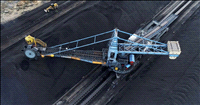
Market predator Hindenburg preys on Adani stock
06 Mar 2023
Almost a month after the damning report of short-seller Hindenburg Research on the Adani Group that claimed that the seven stocks within the group were about 85 per cent overvalued, one of the group's stocks, Adani Total Gas, closed at Rs835 on the BSE, down nearly 79 per cent from its 24 January level, almost close to reaching that valuation
Business History Videos

History of hovercraft Part 3...
Today I shall talk a bit more about the military plans for ...

By Kiron Kasbekar | Presenter: Kiron Kasbekar

History of hovercraft Part 2...
In this episode of our history of hovercraft, we shall exam...
By Kiron Kasbekar | Presenter: Kiron Kasbekar

History of Hovercraft Part 1...
If you’ve been a James Bond movie fan, you may recall seein...
By Kiron Kasbekar | Presenter: Kiron Kasbekar

History of Trams in India | ...
The video I am presenting to you is based on a script writt...
By Aniket Gupta | Presenter: Sheetal Gaikwad
view more

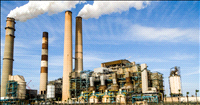

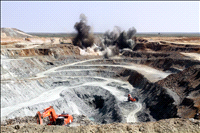

.jpg "Microsoft, Google challenge Delhi HC order to remove non-consensual content")